How Large Is China’s Property Crisis, Really?
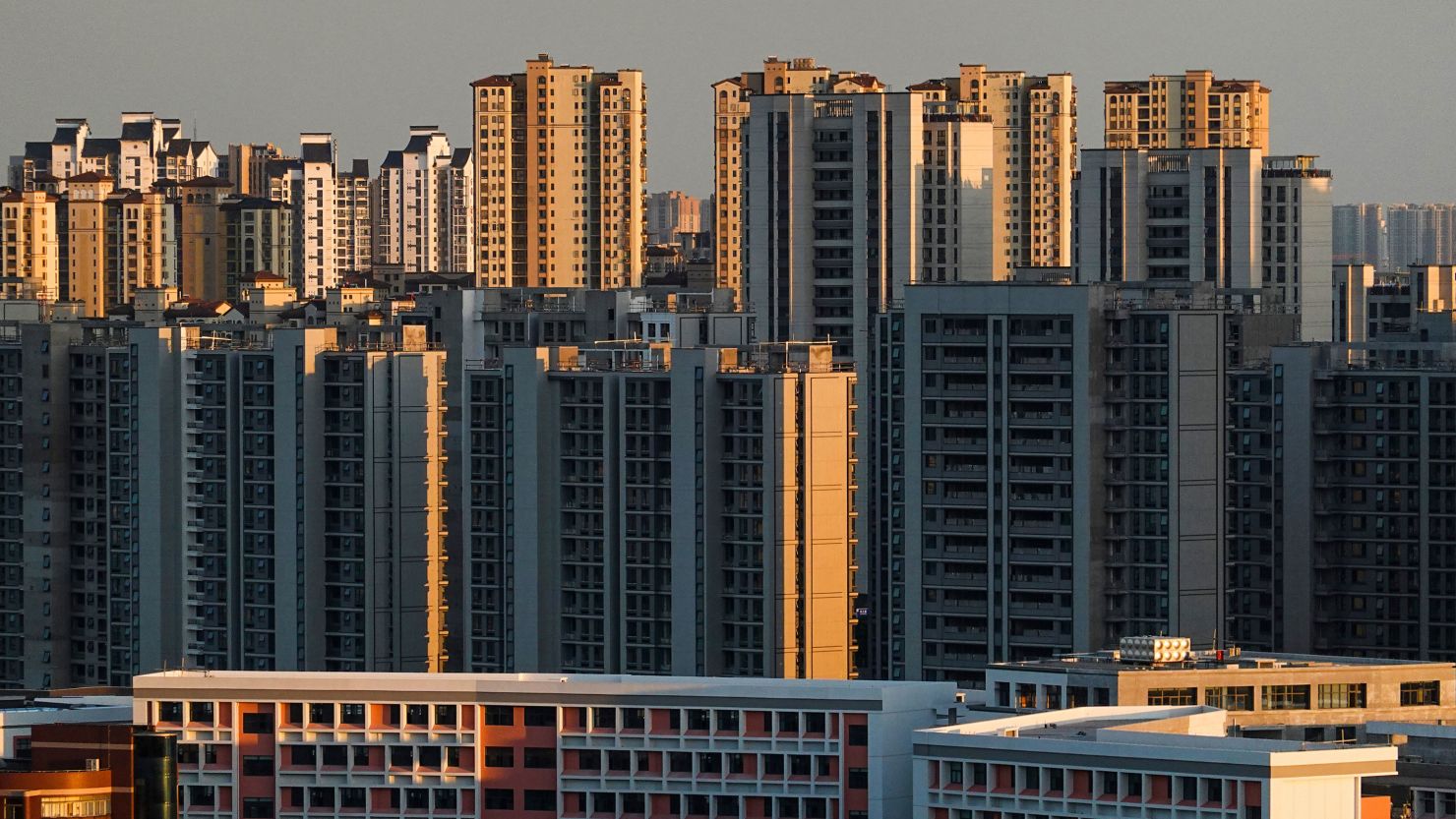
The numbers are staggering even by global standards. China’s real estate sector, once valued at approximately $62 trillion (twice the size of the U.S. market), has shed an estimated $18 trillion in value since the Evergrande default in 2021. It is, by virtually every metric, the largest real estate correction in human history.
But the global luxury market impact of this crisis is often misunderstood. The story isn’t just about falling Chinese property prices — it’s about the radical reallocation of ultra-high-net-worth Chinese capital toward hard assets in politically stable, rule-of-law jurisdictions. And that capital flow is reshaping luxury markets from Vancouver to Miami.
The Crisis by the Numbers
| Metric | Value |
|---|---|
| Estimated Value Lost | $18 Trillion |
| Major Developers in Default or Restructuring | 50+ |
| Tier-1 City Price Decline (2021–2026) | -15% to -30% |
| New Construction Starts (YoY change) | -46% |
| UHNW Capital Outflow (2024–2026 est.) | $130B+ |
Where Is Chinese Ultra-Wealth Going?
Historically, Chinese UHNW capital flowed predictably into Vancouver, Sydney, London, and New York. But the 2026 allocation map has shifted dramatically. Vancouver and Sydney have imposed foreign buyer taxes and restrictions. London is mired in its own tax crisis. And New York’s cooperative board system remains opaque and unwelcoming.
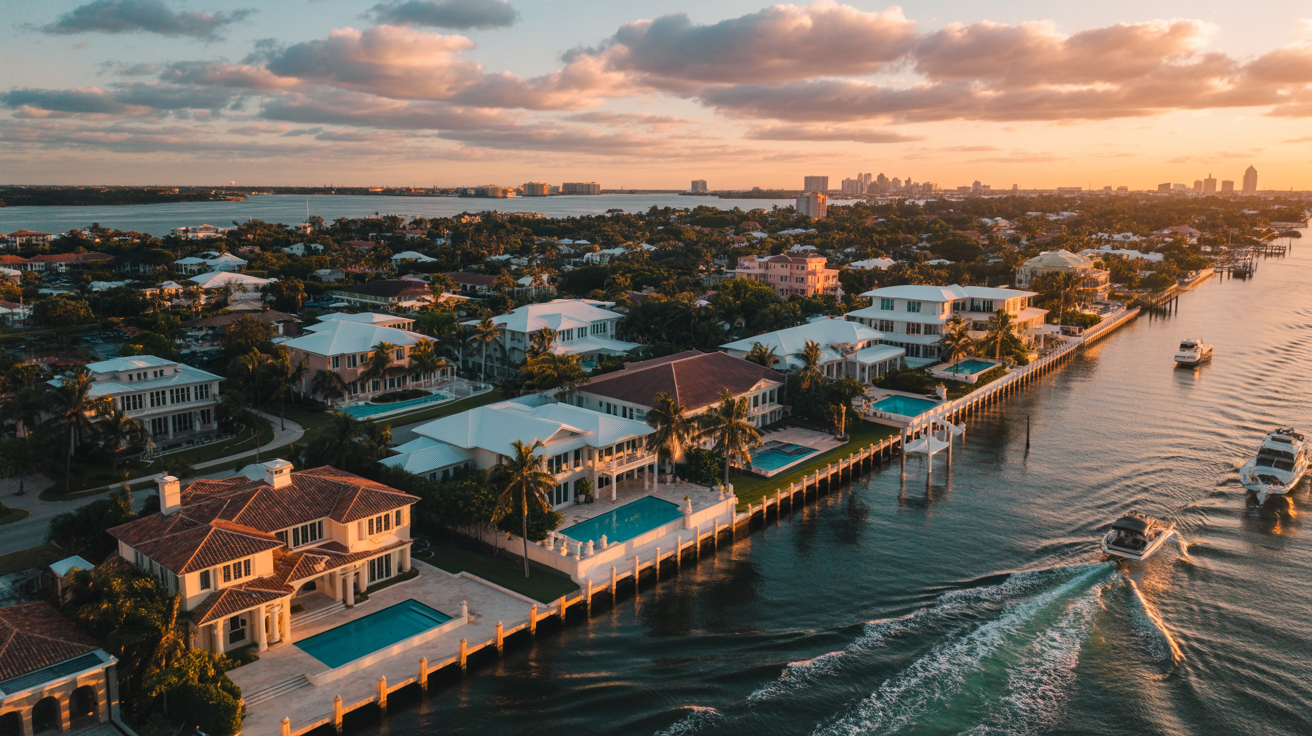
The result: Florida, and specifically South Florida, has emerged as the primary recipient of Chinese ultra-luxury capital looking for hard assets with clear title, no foreign buyer restrictions, and lifestyle integration for families.
Why the Florida Keys Specifically?
- No foreign buyer restrictions or additional taxes — unlike Canada, Australia, and the UK
- Clear title system with full property rights — critical for buyers from jurisdictions with less certainty
- Cryptocurrency-accepted transactions — relevant for wealth being moved through digital channels
- Structural supply scarcity — the Keys have a fixed coastline with no new land creation
- Deep-water dockage for yacht storage — a critical amenity for global UHNW buyers
- Proximity to Miami's international financial infrastructure without the density
“The reconfiguration of Chinese wealth allocation represents the single largest shift in global real estate capital flows since the post-Soviet era. Markets offering political stability, clear property rights, and lifestyle value are the primary beneficiaries.”— UBS Global Wealth Report 2026
The Ripple Effect on Global Luxury Pricing
China’s crisis is deflationary for Asian luxury markets but inflationary for the receiving markets. South Florida’s ultra-luxury segment has seen transaction volumes increase 18% year-over-year at the $10M+ level, with a disproportionate share attributed to international buyers.
For properties like The Chateau on the Ocean — an irreplaceable oceanfront estate with deep-water dockage, expansion potential, and flexible transaction terms including cryptocurrency — the convergence of Chinese capital flight and Florida Keys supply scarcity creates a compelling value thesis for both end-users and investors.
While Global Markets Shift
The Chateau on the Ocean Offers Certainty
A $24,995,000 fully renovated oceanfront estate in Islamorada, Florida Keys — 100-ft dock, Baccarat ballroom, 7 bedrooms, 10.5 baths on 0.86 acres.