What’s Really Behind Dubai’s Record Luxury Numbers?
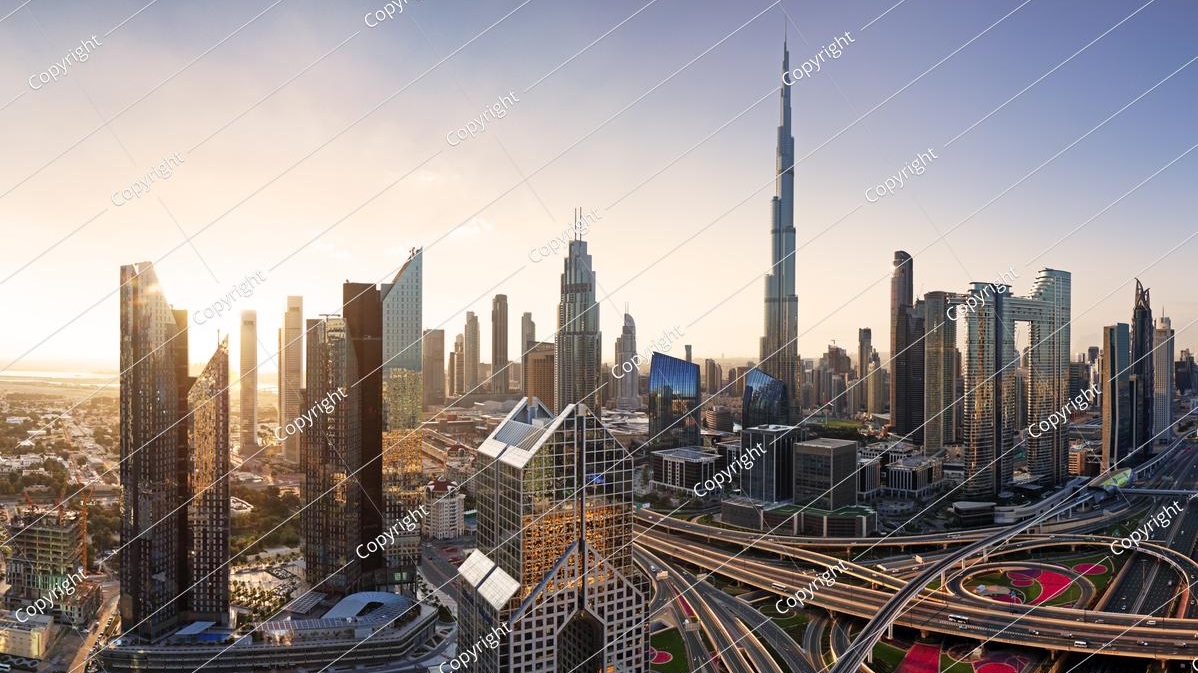
Dubai’s luxury real estate market has posted extraordinary numbers: transaction volumes up 40% year-over-year in the AED 10M+ segment, record prices on Palm Jumeirah and Emirates Hills, and a pipeline of branded residences (Bulgari, Armani, Dorchester Collection) that suggests unlimited demand for ultra-luxury product.
But behind the headline numbers, veteran real estate investors are seeing warning signals that recall previous Dubai corrections — 2009 and 2015–2019 — when the emirate lost 30–50% of peak values in the luxury segment.
The Warning Indicators
| Indicator | Current Status | Risk Level |
|---|---|---|
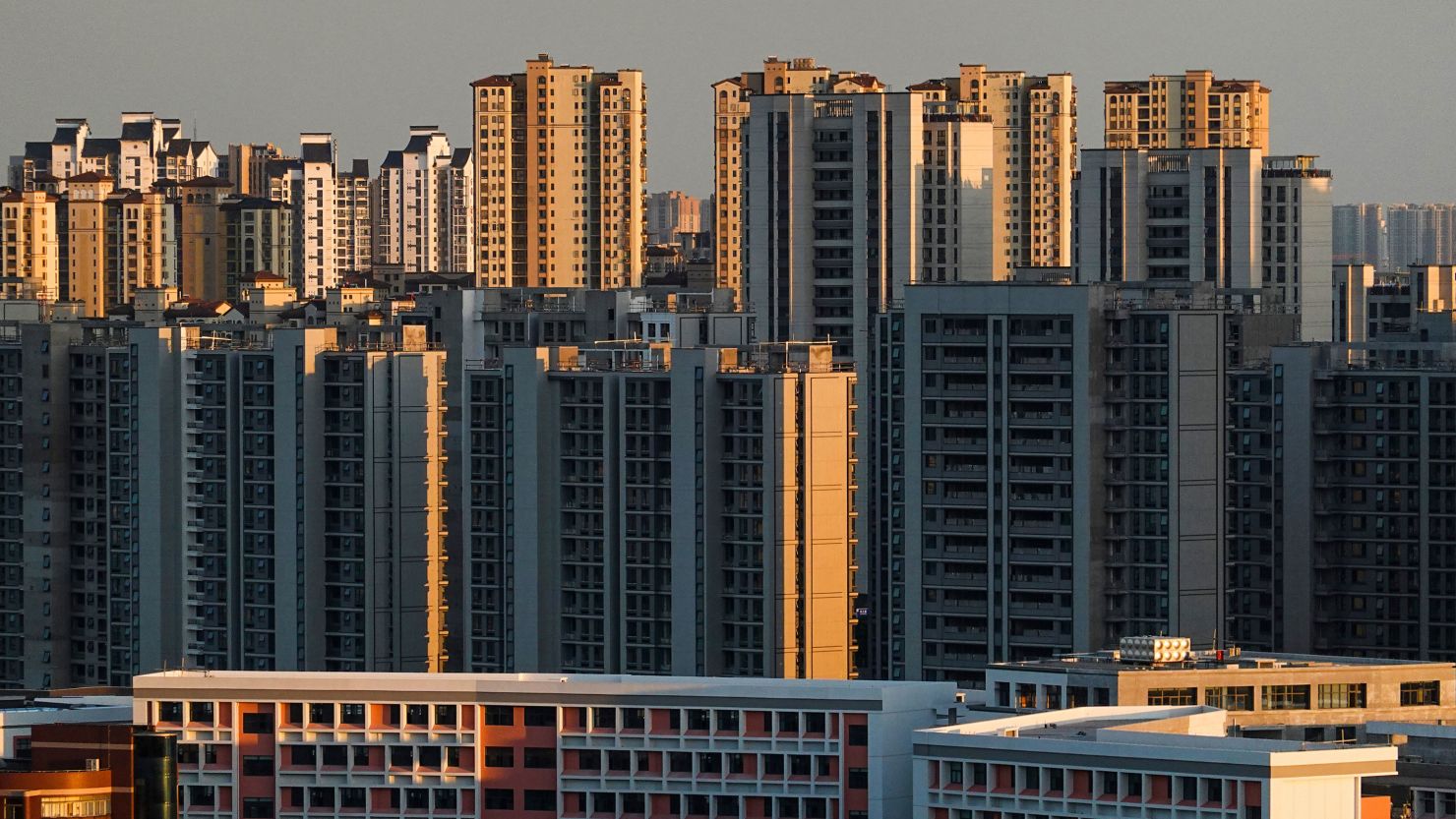
| Luxury Pipeline (2026–2028) | 32,000+ new luxury units across 80+ projects | High |
| Speculative Buyers (Off-Plan) | Estimated 35–45% of recent luxury transactions | High |
| Russian Capital Dependence | Russian buyers accounted for ~20% of 2023–2024 luxury volume | Medium |
| FATF Grey List Exit | Exited 2024, but enhanced due diligence requirements remain | Medium |
| Climate / Infrastructure Risk | Extreme heat events increasing; desalination capacity strained | Medium |
Why Savvy Investors Are Hedging with Florida Keys Waterfront
The most sophisticated segment of the Dubai buyer pool — particularly those who purchased early in the current cycle and have seen 50–80% paper gains — is already looking to diversify. The question these investors are asking is: “Where can I park liquidity in a hard asset that won’t face the same oversupply dynamics?”
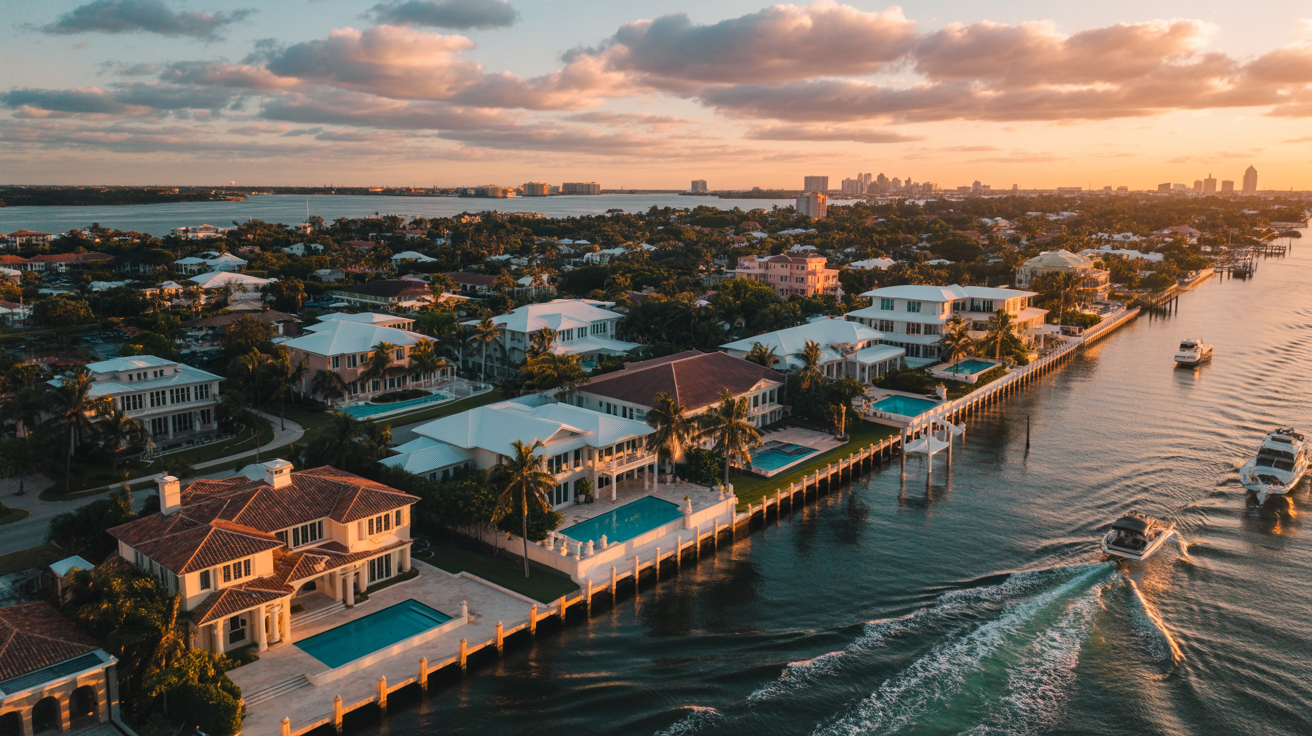
The Florida Keys offer a structural answer to that question. Unlike Dubai, where 32,000 new luxury units are entering the market over the next two years, the Keys have a permanently constrained supply. The island chain is 120 miles long with a fixed coastline — no reclaimed islands, no new land, no master-planned luxury cities.
Dubai vs. Florida Keys: A Structural Comparison
| Factor | Florida Keys | Dubai |
|---|---|---|
| Supply Dynamics | Permanently constrained (fixed coastline) | Expanding (32,000+ units pipeline) |
| Legal Framework | U.S. common law, full property rights | Freehold zones only, civil law |
| Currency | USD (global reserve currency) | AED (pegged to USD) |
| Historical Volatility | Low (Keys luxury has never corrected >15%) | High (30–50% corrections in 2009, 2015–19) |
| Deep-Water Dockage | Available (Atlantic Ocean access) | Limited to marina berths |
“Dubai’s luxury market has outperformed on transaction velocity, but the incoming supply wave represents the single largest risk factor for investors who entered at 2024–2025 pricing. Markets with structural supply constraints — island economies, historic districts, waterfront estates — offer a natural hedge.”— Savills World Cities Prime Residential Index, Q1 2026
The Bottom Line for Global Investors
Dubai is not going to crash tomorrow. But the fundamentals that drive long-term luxury real estate value — scarcity, legal certainty, historical stability — increasingly favor markets like the Florida Keys over rapid-growth emerging luxury hubs. For investors sitting on significant Dubai gains, allocating a portion to an irreplaceable oceanfront asset like The Chateau on the Ocean represents a classic hedge: trading high-beta exposure for a low-volatility, supply-constrained trophy asset.
While Global Markets Shift
The Chateau on the Ocean Offers Certainty
A $24,995,000 fully renovated oceanfront estate in Islamorada, Florida Keys — 100-ft dock, Baccarat ballroom, 7 bedrooms, 10.5 baths on 0.86 acres.