Is London’s £10M+ Market Facing a Structural Decline?
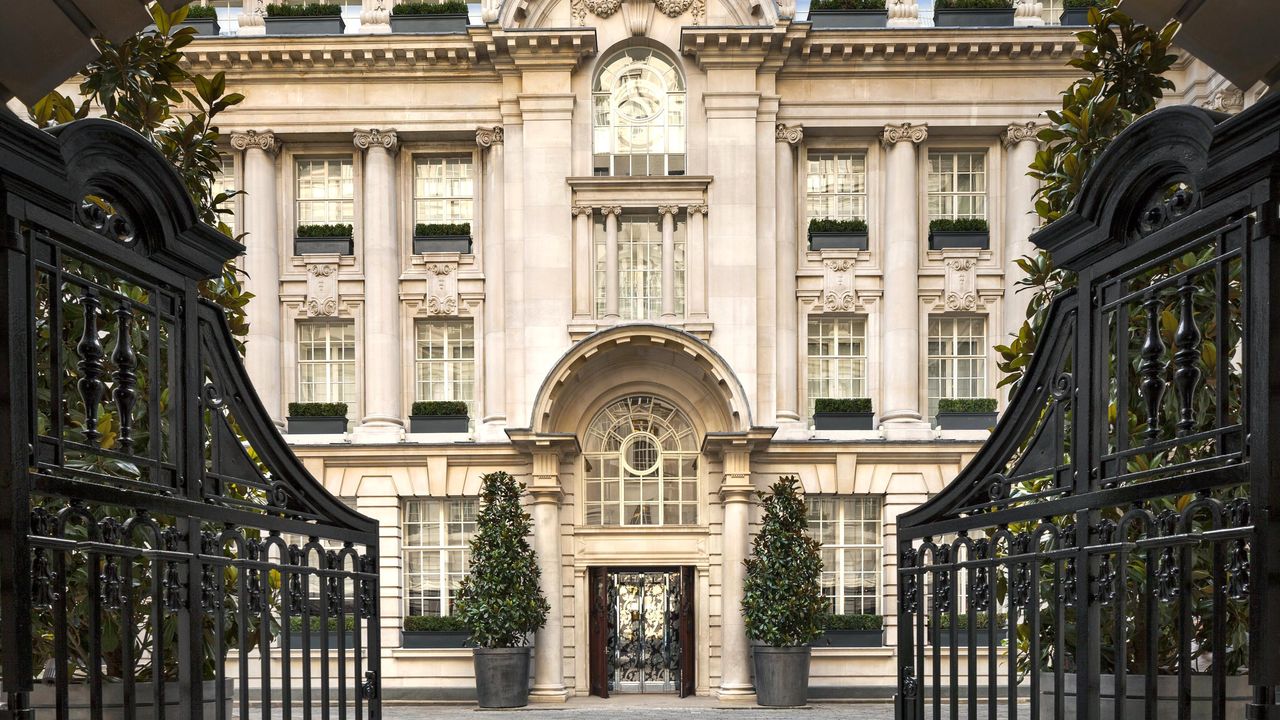
For decades, London’s prime central market — Mayfair, Belgravia, Kensington, Chelsea — was the undisputed center of gravity for global ultra-luxury real estate. Russian oligarchs, Middle Eastern royalty, and Asian tech billionaires poured capital into Georgian townhouses and Edwardian mansions, driving prices to levels that seemed permanently detached from domestic economics.
That era appears to be ending. Transaction volumes in the £10M+ bracket have fallen 22% since 2023, and the forces driving the decline are structural, not cyclical.
What’s Driving the Exodus?
| Factor | Impact | Timeline |
|---|---|---|
| Non-Dom Tax Abolition | Removes the key tax benefit that attracted foreign buyers for 200+ years | April 2025 |
| Stamp Duty at 17% | Foreign buyers face the highest transaction tax in the developed world | Current |
| Brexit Regulatory Drag | Property management, staffing, and residency complications compound costs | Ongoing |
| Russian Sanctions | Permanently removed a major buyer demographic from the £20M+ tier | 2022–present |
| Economic Stagnation | UK GDP growth trails G7 average, weakening domestic demand at the top | 2024–2026 |
Where Is London’s Capital Flowing Instead?
The capital that once flowed into Eaton Square and Holland Park is being redirected toward markets offering what London increasingly cannot: political stability, favorable tax treatment for foreign buyers, lifestyle integration, and — critically — tangible hard assets that don’t carry 17% transaction friction.
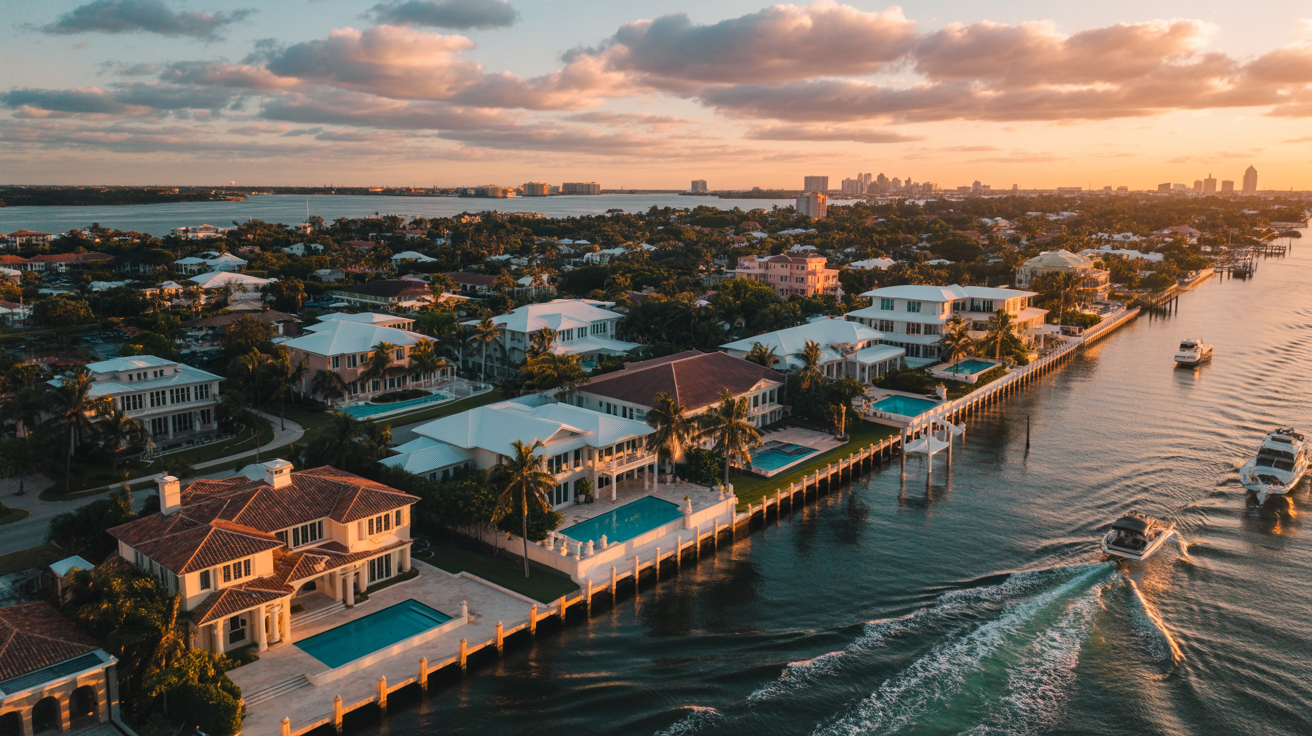
South Florida, the Portuguese Riviera, Dubai (despite its own risks), and Monaco are all capturing former London capital. But the most sophisticated segment of this money — the families who want privacy, not flash — is looking at places like the Florida Keys, where $25M buys an entire oceanfront compound rather than a two-bedroom flat in Knightsbridge.
The Florida Keys Advantage for Former London Buyers
- Zero state income tax — vs. UK's 45% additional rate above £125,140
- No stamp duty equivalent on residential purchases
- Direct Atlantic access for European travel (MIA is 90 minutes away)
- Privacy and space: 0.86-acre estates vs. 2,000 sqft London flats at the same price point
- Cryptocurrency-friendly transaction terms — increasingly relevant for tech-wealth buyers leaving the UK
“London remains a global city of culture and commerce, but as a capital-preservation vehicle for internationally mobile wealth, it has been structurally impaired by the cumulative tax burden imposed since 2017.”— Knight Frank Wealth Report 2026
What Does This Mean for Ultra-Luxury Buyers?
The London exodus is not temporary. The tax changes are permanent, the regulatory direction is clear, and the buyer demographics that powered the 2010–2020 boom are not coming back. For global ultra-luxury buyers, the question is no longer “Should I buy in London?” but rather “Where does my capital work hardest for me?”
Oceanfront estates in the Florida Keys — like The Chateau on the Ocean — represent the kind of trophy asset that appreciates in both tangible and lifestyle value, without the punitive tax regime that now defines London’s prime market.
While Global Markets Shift
The Chateau on the Ocean Offers Certainty
A $24,995,000 fully renovated oceanfront estate in Islamorada, Florida Keys — 100-ft dock, Baccarat ballroom, 7 bedrooms, 10.5 baths on 0.86 acres.